Stop the Rot Before It Spreads
Deck Repair in Clyde, North Carolina for homeowners dealing with soft boards, loose railings, or visible water damage
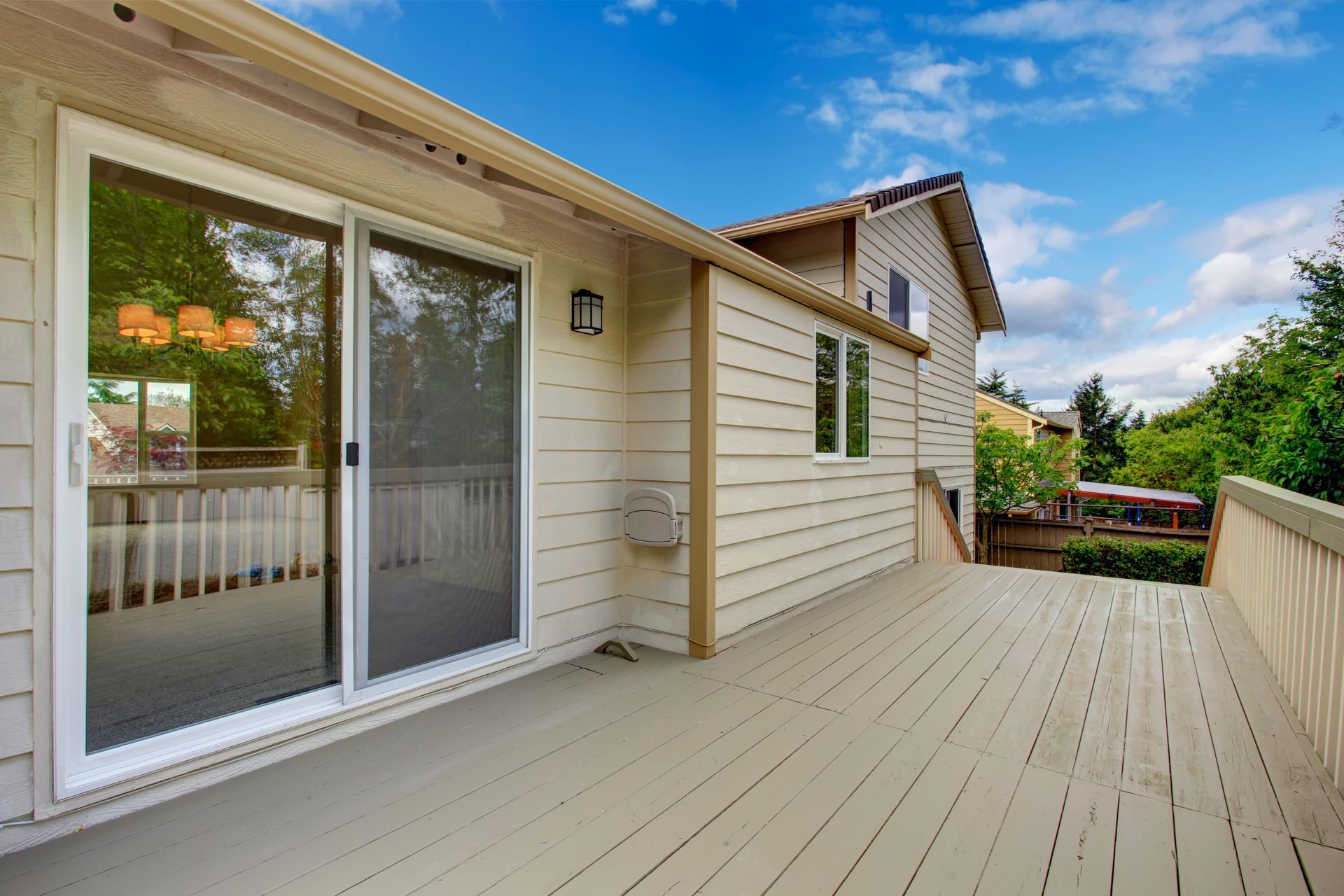
Iron Tree Construction provides deck repair services for homeowners in Clyde, North Carolina who notice boards that flex underfoot, railings that shift when pressure is applied, or sections where wood has turned dark and spongy. These issues usually start where water sits or drains poorly, and they spread if left alone. Repairs involve replacing damaged boards, reinforcing or replacing joists, and stabilizing railing posts that have loosened or rotted at the base.
Each repair starts with a structural inspection. The deck is walked and probed to find soft spots, and fasteners are checked for rust or pull-through. Joists are examined from below to confirm they're still solid, and post footings are inspected for movement or decay. Repairs are prioritized based on safety, then longevity. Once the damaged sections are removed, new material is cut and fastened to match the existing layout, and the surface is leveled to prevent future water pooling.
If your deck has areas that feel unsafe or show visible rot, Iron Tree Construction can inspect the structure and provide a clear repair plan for your property in Clyde.
How Damaged Sections Are Identified and Fixed
You'll work with someone who uses a probe or screwdriver to test wood firmness and checks joist hangers for rust or separation. Boards that have lost structural integrity are marked, and the framing beneath them is evaluated. If a joist is compromised, it's either sistered with new lumber or replaced entirely, depending on how far the damage extends.
After the work is done, you'll see that boards no longer bounce, railings are rigid when you lean on them, and stairs feel stable from top to bottom. Water damage is cut out completely, and replacement wood is sealed or primed before installation. Iron Tree Construction repairs decks so they're safe to use and don't require immediate follow-up work.
Stairs and steps are rebuilt if treads are cracked or risers are pulling away. Railing systems are refastened or replaced if posts are loose or balusters are missing. Repairs don't include refinishing the entire deck unless that's requested separately. The focus is on restoring structural integrity and extending the lifespan of the existing structure.
Common Questions About Deck Repairs
Homeowners in Clyde often ask how to tell whether a deck needs repair or replacement, and what kind of timeline to expect once work begins.
What does soft wood mean for the rest of the deck?
Soft wood indicates rot, which spreads through moisture and contact with adjacent boards. If one section is rotted, nearby joists and decking are at risk. Catching it early means replacing a few boards instead of rebuilding entire sections.
How do you match new boards to old ones?
New wood is cut to the same dimensions and fastened with the same pattern. If the deck is stained, the new boards are sealed and allowed to weather before staining, or they're stained immediately if color consistency is a priority. Composite repairs require matching the brand and color line.
When should railings be replaced instead of repaired?
When posts are rotted below the surface or the railing system no longer meets current code height and spacing requirements. Repairs work if the damage is limited to balusters or top rails, but compromised posts require full replacement.
Why do some decks rot faster in Clyde?
Moisture from mountain rain and morning fog accelerates rot, especially on decks with poor drainage or boards installed too close together. Decks shaded by trees stay damp longer, which speeds up decay in untreated or unsealed wood.
What happens if joists are damaged?
Damaged joists are either reinforced by attaching new lumber alongside them or removed and replaced. Joist hangers are checked and replaced if rusted. The decking is removed in sections to access the framing, then reinstalled once the structure is sound.
Iron Tree Construction handles deck repairs across Clyde with a focus on safety and long-term performance. If your deck shows signs of damage or instability, schedule an inspection to determine what needs attention and what the repair will involve.